Visiting as an author
A fair is a workplace. Behave like a guest who has done the reading.
Authors are allowed at most of these events. That does not mean every publisher wants to meet you. The art is knowing which stands to approach, which to observe, and which to leave alone.
Should you go?
Go if you want to understand the market you are trying to enter. A day on the floor at Frankfurt or London will teach you more about covers, categories and timing than a year of browsing Amazon.
Go if you have a finished, professional proposal and a shortlist of houses whose recent books sit next to yours. Do not go to “find a publisher” in the abstract, with a novel in a rucksack and a hopeful expression.

Trade days and public days
Large fairs split the week. Frankfurt’s first days are for the trade; the public is admitted later. London is a trade show throughout. Public fairs (Turin, Madrid in the park, Cairo, the later days at Sharjah and Guadalajara) are a different climate: families, signings, booksellers.
If your aim is to speak to an editor, a quieter professional morning is more useful than a Saturday crush. If your aim is to watch what readers queue for, go when the public is in.
Who will speak to you
Not all publishers will want to speak to authors. Some are only available by appointment. Corporate stands at Frankfurt and London are often staffed for rights meetings that were booked in August. An unsolicited pitch there is not brave. It is a nuisance.

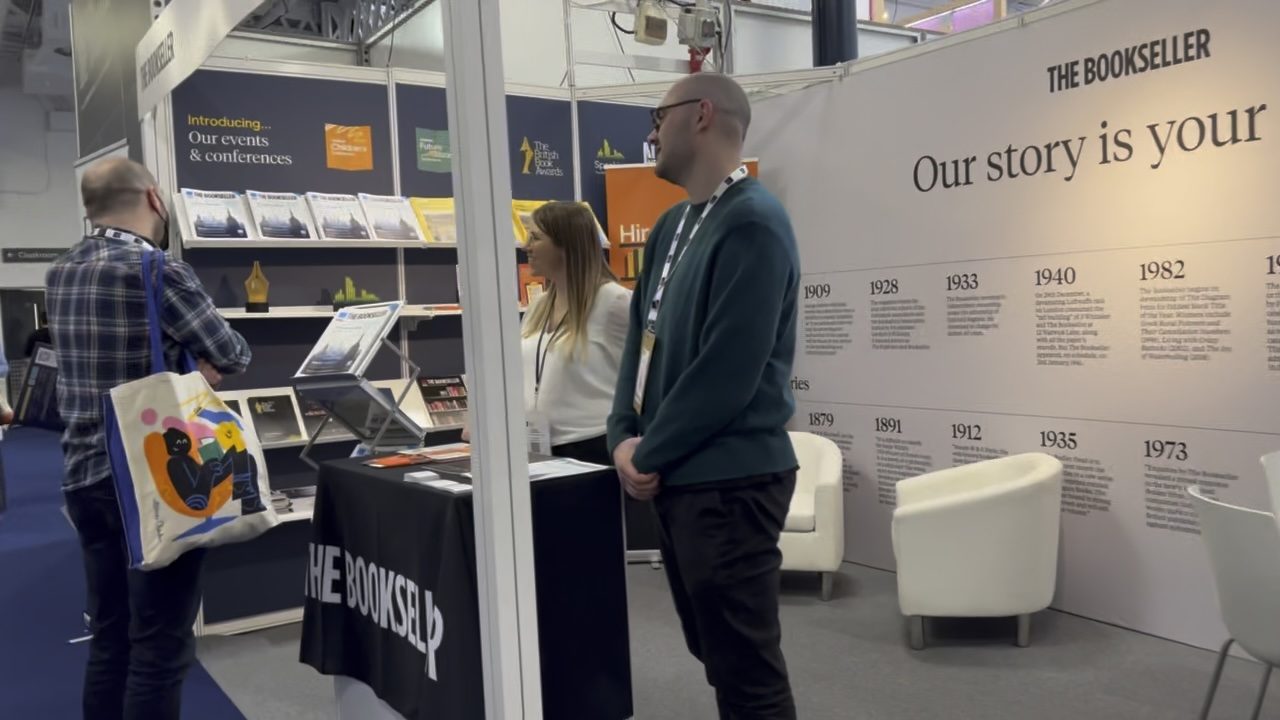
It is usually possible to speak to someone from the smaller presses — independents, overseas houses, university presses, children’s specialists who are not behind a closed meeting table. Look for a stand where someone is actually making eye contact with the aisle.
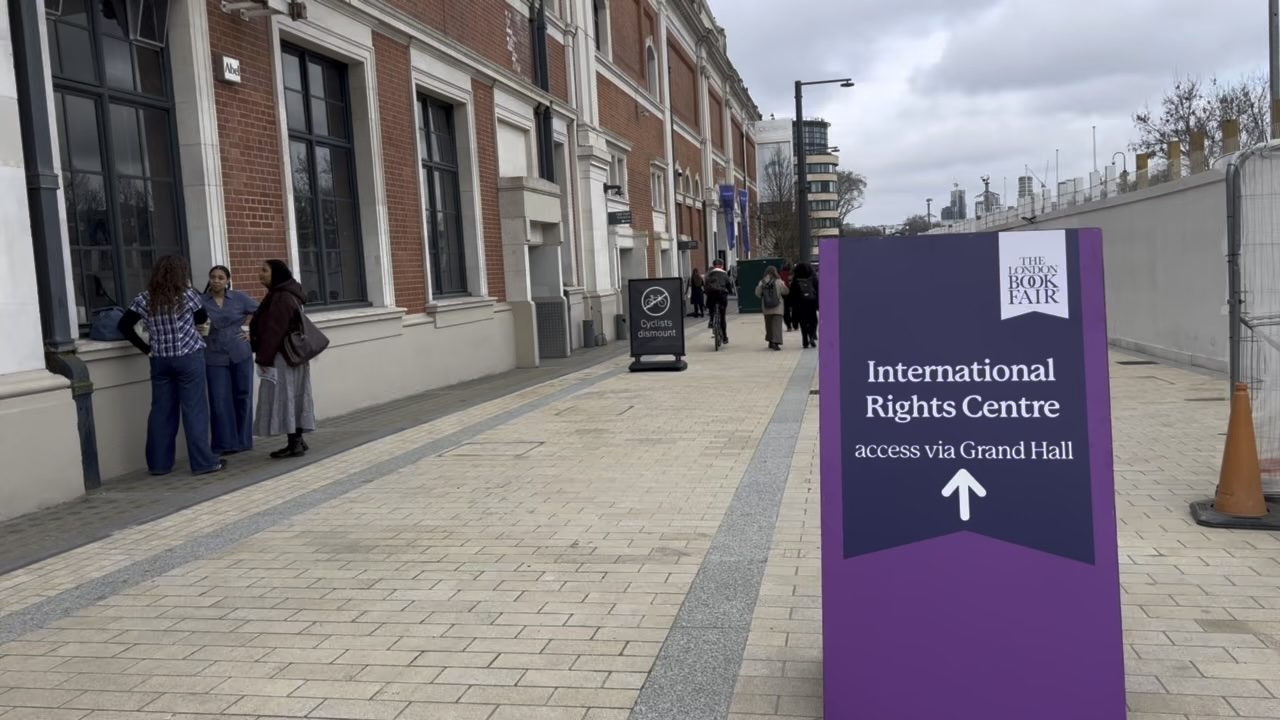
- The Literary Agents & Scouts Centre / International Rights Centre is not for authors seeking a deal. Stay out unless you have a booked meeting.
- A conversation about what they are looking to sign this year is more useful than a plot recap.
- If they say “email the submissions address”, that is the meeting. Thank them and do it.
Appointments
If a house you care about is appointment-only, try to book two to four weeks ahead. A short email: who you are, the one-line pitch, why you are approaching them specifically, and a request for ten minutes. Most will say no. A few will say yes. That is the job.
Do not invent a meeting. Do not sit down at a table reserved for someone else. Do not follow an editor into the café queue with a chapter.
What you are trying to learn
Trends are visible if you look. Which formats are on the tables? Which territories are buying what? Which guest-of-honour lists are being pushed? Which covers have stopped using people-with-backs, or started using them again? Take notes. That intelligence shapes the book you send next month.
Samples and proposals
Leave a one-page proposal and, if they ask, a sample chapter. Never a full manuscript. Never a USB stick of “everything”. Never six books in a tote as a gift they now have to carry.
The one-pager: title, 25-word pitch, 150-word outline, word count, comparable titles, and your contact details. If you cannot fit it on one page, you are not ready.
Floor etiquette
- Stand to one side of the aisle. Do not block a meeting.
- Ask if they have a moment. If they do not, leave a card and walk on.
- Dress as if you might be taken seriously. Comfortable shoes are not a contradiction.
- Do not photograph a rights sheet or a contract on a table.
- Collect catalogues. They are the most honest document in the building.
After the fair
Send the follow-up within three working days, while they still remember the conversation. Quote the detail they gave you. Attach the one-pager, not the novel. Then wait. Fairs generate a backlog; silence for a fortnight is not a snub.
If nothing comes of the meetings, the trip can still have paid for itself in what you saw. That is not consolation. It is the point of going.